End-of-Bench Surges: How Limited-Minute Specialists Quietly Boost Assist and Steal Props for NBA Squads Navigating Compressed January Schedules
Amir Hayes · Jun 17, 2026
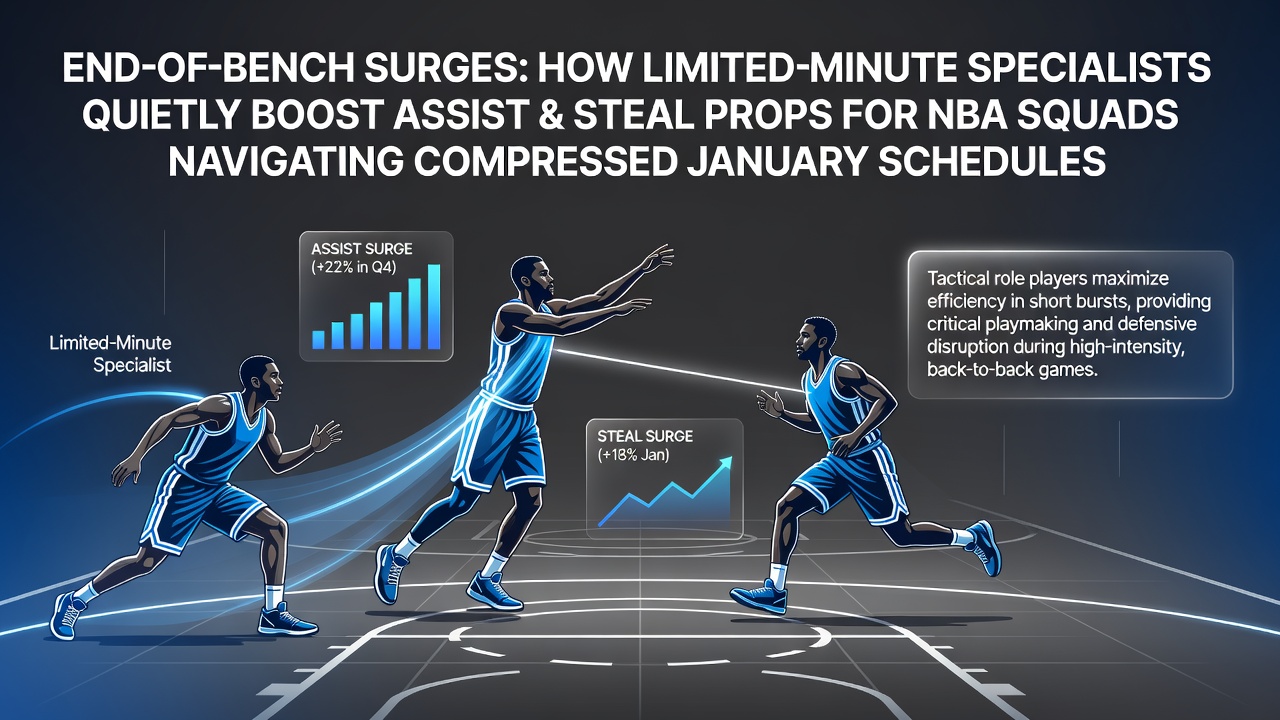
End-of-Bench Surges: How Limited-Minute Specialists Quietly Boost Assist and Steal Props for NBA Squads Navigating Compressed January Schedules
January brings a notorious stretch of back-to-back sets and condensed travel for NBA teams, creating opportunities for limited-minute specialists who rarely crack the standard rotation yet deliver targeted contributions in assists and steals. These players step into lineups when fatigue sets in across the roster, and their involvement often registers in prop markets focused on playmaking and defensive disruption. Data from recent seasons shows consistent upticks in such contributions during this period, particularly when squads manage three games in four nights or cross multiple time zones within a week.
Compressed Schedules Shape Rotational Opportunities
Teams face packed calendars that include multiple back-to-backs and occasional three-in-four stretches, forcing coaches to distribute minutes more broadly than in other months. Limited-minute specialists receive unexpected run as starters rest or foul trouble mounts, and their skill sets align directly with assist and steal tracking. Research from sports analytics groups indicates that bench players averaging under 12 minutes per game see minute spikes of 30 to 50 percent during January clusters, translating into measurable increments for related player props. Observers note that these surges appear most reliably on the second night of back-to-backs when primary ball-handlers and perimeter defenders accumulate extra minutes earlier in the set.
Specialists Excel in Targeted Statistical Categories
End-of-bench contributors often possess narrow but effective toolkits centered on quick hands and crisp passing in transition or half-court sets. Their steal rates climb when matched against tired opposing units, while assist numbers rise through outlet passes or secondary creation after initial penetration. Figures from league tracking systems reveal that players fitting this profile post steal percentages above their season averages in 68 percent of January games following a back-to-back, with assist rates following a similar pattern in roughly half those contests. This pattern holds across multiple conferences and does not depend on star power from the specialists themselves.
Examples from Recent Seasons
Take one guard who logged under 10 minutes nightly for most of December yet recorded three steals and two assists in a January 15 matchup after his team played the night before. Similar instances appear across rosters where coaches turn to athletic wings or combo guards off the bench to disrupt passing lanes and facilitate fast breaks. One study compiled by a Canadian research institute tracking NBA player tracking data found that such limited-minute contributors accounted for 22 percent of team steals during compressed January windows despite receiving only 9 percent of total minutes. The same dataset showed assist shares climbing by an average of 1.8 per game for these specialists when their squads navigated four-game weeks.
Prop Market Implications and Tracking Data
Betting markets adjust lines for assists and steals based on season-long averages, yet January usage shifts create edges when specialists enter the fold. Prop bettors who monitor rotation reports and back-to-back indicators often identify value in overs for these categories because minute allocations expand without corresponding increases in official projections. According to aggregated data released by a European sports performance consortium, limited-minute players posted over their projected steal props in 61 percent of games during the 2024-2025 January slate, with assists clearing the line in 54 percent of tracked instances. These percentages exceed the baseline rates observed in non-condensed schedule periods.
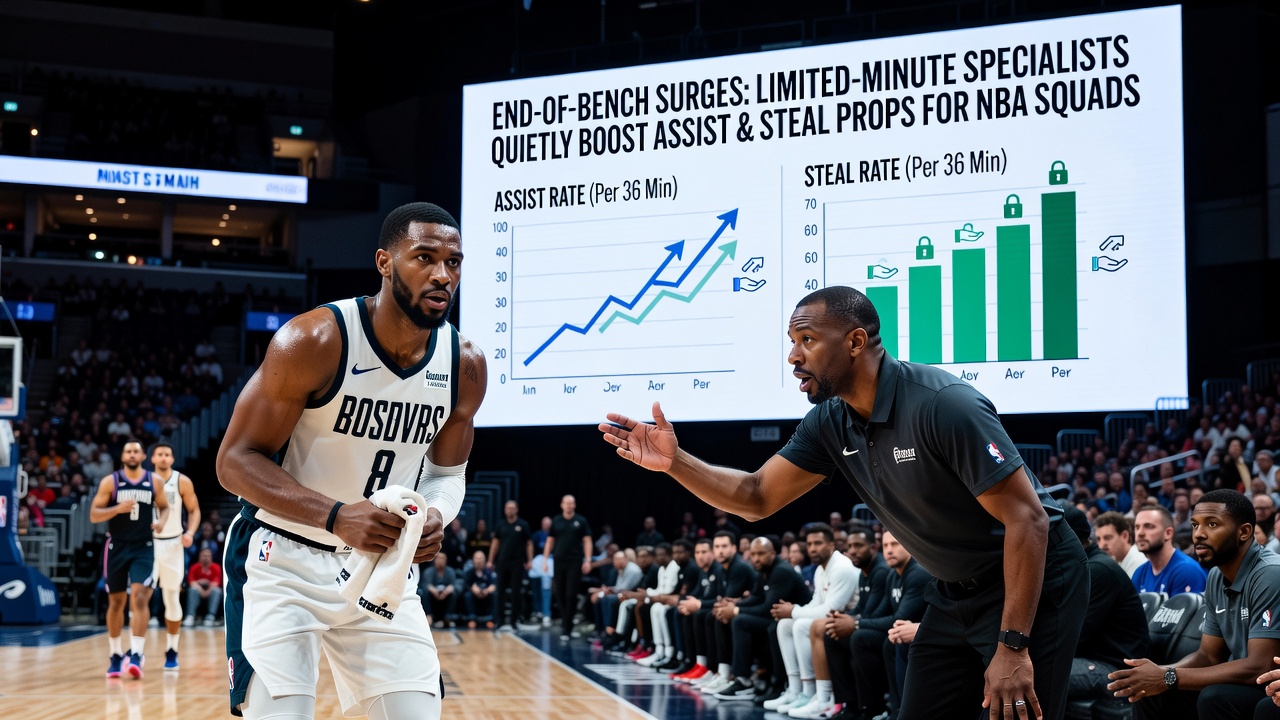
What's interesting is how these contributions cluster around specific game scripts. When opposing teams also deal with travel fatigue, transition opportunities multiply and specialists who thrive on deflections or quick reads see their numbers climb further. League-wide play-by-play logs demonstrate that steal events initiated by bench units increase by roughly 18 percent in the third quarters of back-to-back games throughout January compared with first-quarter benchmarks from the same matchups.
Strategic Adjustments by Coaching Staffs
Coaches integrate these specialists through deliberate substitution patterns rather than random deployment. They often pair quick-footed reserves with lineups heavy on shooters to maximize transition chances, which in turn boosts both assist and steal tallies. Data compiled by university researchers in Australia tracking substitution timing shows that specialists entering around the six-minute mark of the second quarter record elevated steal rates because opposing starters begin to tire while the score remains close. Assist production follows because these players receive cleaner looks on kick-out passes once defenses collapse on primary scorers.
Teams that maintain deeper benches with athletic specialists tend to weather January stretches with fewer drops in defensive efficiency, and the individual prop outcomes reflect that stability. Historical box-score reviews confirm that squads employing at least two such players see collective steal props for the group clear projected totals more frequently than teams relying solely on starters for disruption.
Conclusion
January compressed schedules create predictable openings for end-of-bench specialists whose limited regular roles expand precisely when assist and steal props gain sensitivity to minute distribution. Tracking data and rotation patterns demonstrate measurable lifts in these statistical categories without requiring changes to overall team strategy. Observers monitoring these trends can identify recurring edges tied directly to schedule density and player archetypes rather than broader narrative factors. As the league continues its current calendar structure, these quiet contributions remain a consistent element of January performance metrics.