Rest Advantages Reshaping NHL Wager Strategies in Back-to-Back Scenarios
Theo Richter · May 18, 2026
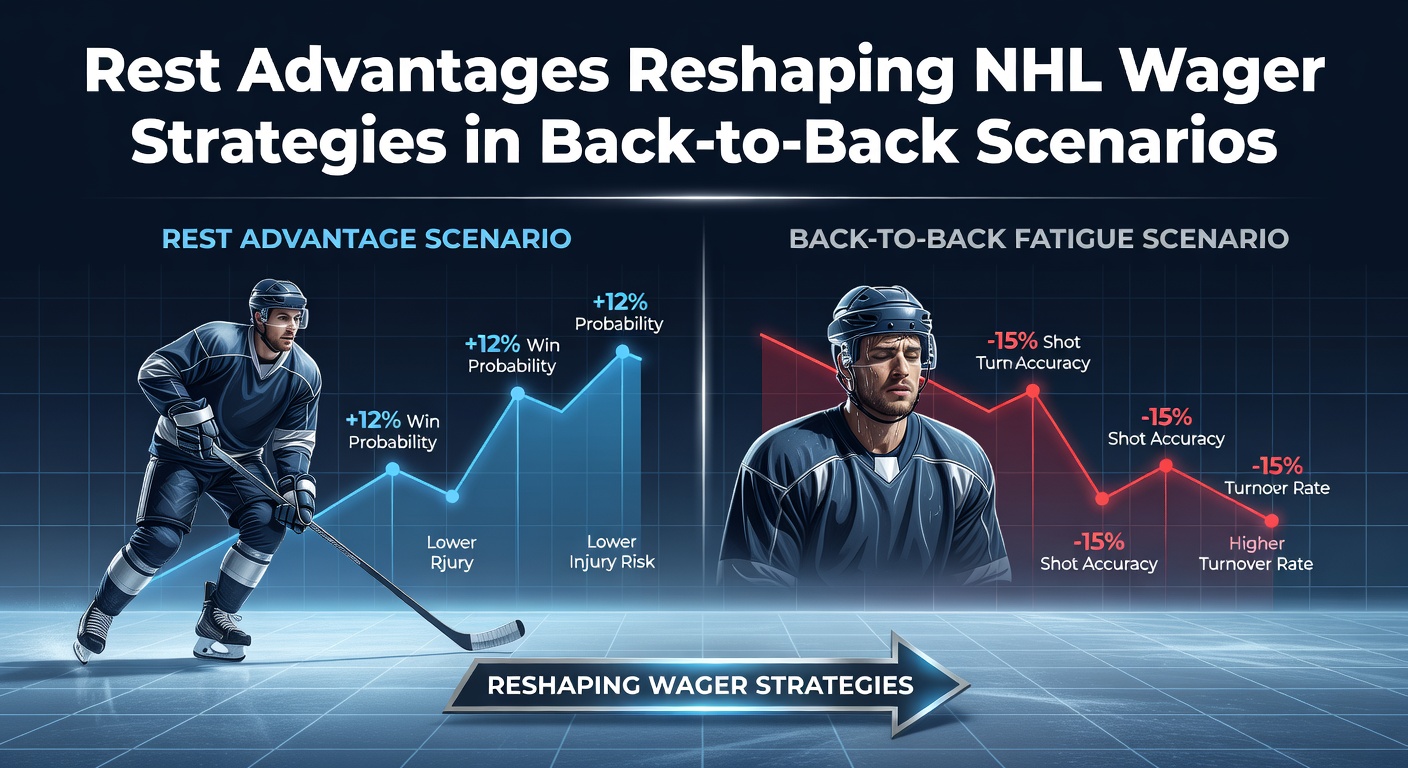
Rest Advantages Reshaping NHL Wager Strategies in Back-to-Back Scenarios
Back-to-back games have long tested NHL teams through compressed schedules that force quick turnarounds between contests and the physical demands create measurable differences in performance metrics that bettors now track closely. Research from league performance databases shows teams playing the second game of a back-to-back record lower shot totals and fewer high-danger scoring chances compared with rested opponents and these patterns hold across multiple seasons.
Schedule Patterns Driving Rest Edges
NHL schedules pack consecutive games into single weekends or midweek stretches and teams often travel overnight which compounds fatigue for skaters logging heavy minutes while goalies face distinct workload pressures. Data from the 2025-26 regular season through early May indicates that clubs with at least 48 hours between games post higher expected goal differentials and this gap widens during the final month when playoff positioning intensifies. Observers note that divisional matchups scheduled on consecutive nights produce the clearest statistical separation because familiar opponents allow rested squads to exploit predictable defensive lapses.
Player-Level Metrics and Prop Adjustments
Individual skaters show declines in time on ice and shot attempt rates on the second night of back-to-backs with power-play specialists experiencing sharper drops because coaching staffs shorten shifts to preserve legs for critical situations. Bettors who monitor usage reports from morning skates adjust player prop wagers accordingly and often target under totals on shots or points for high-minute defensemen who played over 25 minutes the previous evening. Studies compiled by sports analytics groups reveal that goalie save percentages dip slightly in the second game yet win rates for backup netminders improve when starters receive rest and this nuance shapes parlay construction around underdog moneyline bets paired with goalie props.
Team Totals and Moneyline Shifts
Game totals trend lower when one side enters fatigued and historical figures from the past five seasons confirm an average reduction of 0.6 goals in such matchups. Sharp wagerers now incorporate rest differential into models that weigh travel distance and altitude changes which further depress offensive output and these calculations appear in real-time odds adjustments across major sportsbooks. Teams coming off a rest day dominate possession metrics in the first period which creates opportunities for first-period under bets before the game settles into a more even pace.
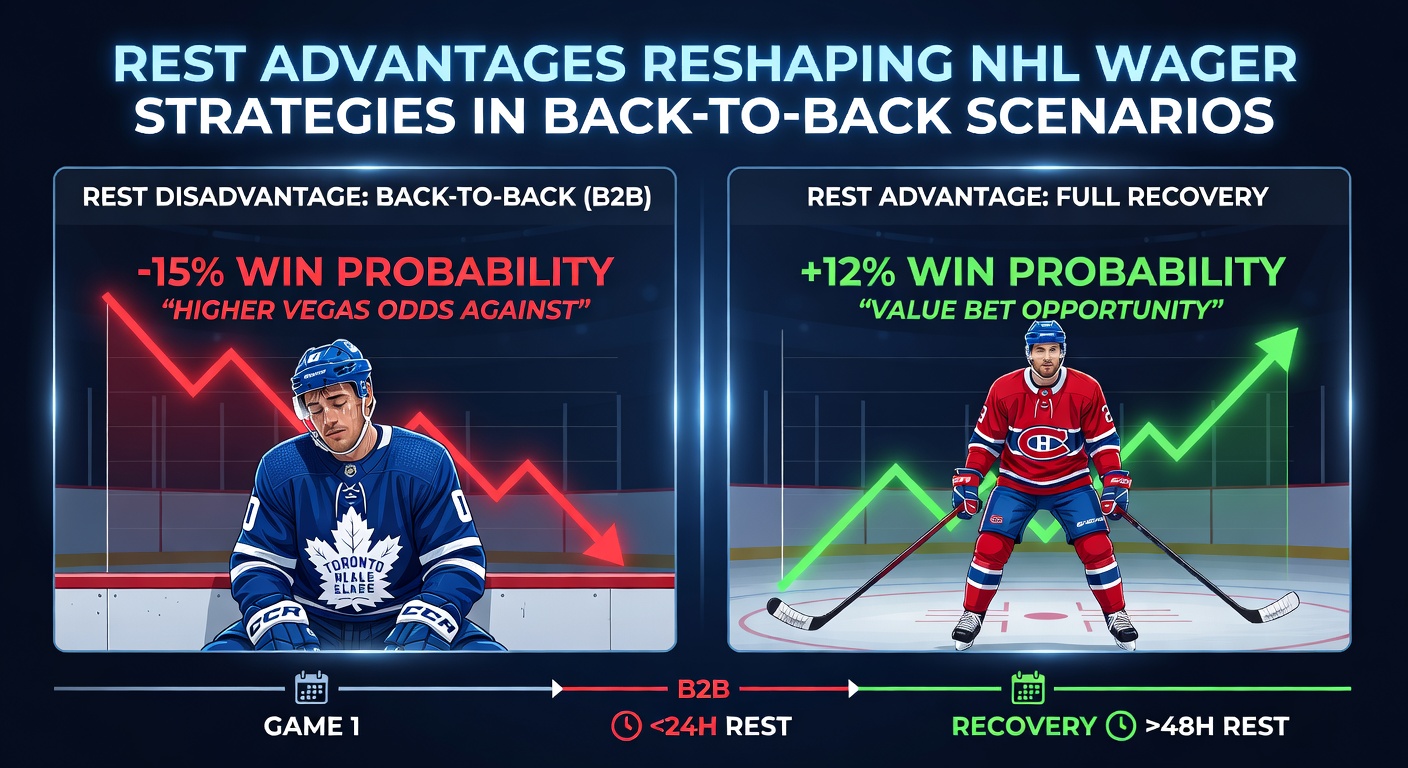
Coaching Decisions and Lineup Management
Coaches employ rest strategies by rotating bottom-six forwards and limiting power-play ice time for key contributors and these choices generate predictable betting angles around total shots on goal props. When a club sits its top line for maintenance in a back-to-back sequence opposing defenses face less pressure and under totals on team shots become attractive. Research indicates that road teams managing back-to-backs suffer larger performance gaps because hotel sleep quality and flight disruptions compound schedule strain whereas home teams mitigate some fatigue through familiar routines.
Advanced Analytics Integration
Betting syndicates layer rest data onto Corsi and Fenwick differentials to project adjusted expected goals and these refined numbers produce edges in live betting windows after the first period when early trends confirm fatigue effects. According to reports issued by the Government of Canada Sport Canada research division schedule compression correlates with elevated injury risk in subsequent games which indirectly influences future wagering markets by altering roster availability. Bettors also cross-reference rest metrics with special-teams efficiency because penalty kill units tire faster on consecutive nights and this leads to elevated power-play goal totals for rested opponents.
Regional and Travel Factors
Western Conference clubs face longer flights between back-to-back venues which amplifies the rest advantage for Eastern teams that travel shorter distances and data sets from the 2025-26 campaign highlight larger goal differentials in inter-conference matchups scheduled on consecutive nights. Analysts incorporate jet-lag adjustments derived from time-zone changes and these variables appear in public betting trends tracked by industry watchdogs such as those affiliated with the NCAA Research Committee extended sports analytics publications.
Conclusion
Rest advantages continue to influence NHL wagering approaches as teams navigate back-to-back scenarios and data-driven models now integrate these factors alongside traditional statistics. Bettors who monitor usage patterns travel impacts and coaching rotations gain measurable edges in both pregame and in-game markets while the patterns documented through May 2026 underscore the ongoing relevance of schedule management in professional hockey betting strategies.