Roster Expansion Ripples: How September Call-Ups Tilt MLB Stolen Base Prop Edges in Closing Stretch Series
Amir Hayes · Jun 5, 2026

Roster Expansion Ripples: How September Call-Ups Tilt MLB Stolen Base Prop Edges in Closing Stretch Series
September roster expansions in Major League Baseball introduce fresh talent into lineups each year, and these additions often include speed-oriented players who alter the dynamics of base stealing during the final weeks of the regular season. Rosters grow from 26 to 28 active players starting September 1, which allows clubs to summon prospects and minor league standouts who bring different skill sets to the field. Data from recent seasons shows that stolen base attempts rise notably once these call-ups join their teams, creating measurable shifts in player prop markets focused on individual steal totals.
Teams in playoff contention tend to deploy these newcomers in specific roles that emphasize speed, particularly in games where late-inning substitutions become critical. According to statistics compiled by MLB, September games have featured an average increase of 12 percent in stolen base attempts compared to August figures over the past five years. This pattern emerges because managers gain flexibility to pinch-run or start players who excel on the bases, and such adjustments directly influence the outcomes of props tied to steals by both regulars and the new arrivals themselves.
Speed Additions Reshape Lineup Construction
Call-up players frequently arrive with strong minor league stolen base totals, and organizations integrate them into situations where their speed can decide close contests. Observers note that outfielders and middle infielders make up a large portion of these additions, positions that historically correlate with higher steal rates once players reach the majors. Research from the Society for American Baseball Research indicates that prospects promoted in September post steal success rates around 78 percent in their initial big-league samples, a figure that exceeds the league average for established players during the same period.
Clubs with surplus pitching depth often prioritize position players who can run, which leads to more aggressive base running strategies in the closing stretch. This approach shows up in box scores as increased stolen base opportunities for specific athletes, and prop bettors track these trends through daily lineup announcements. Figures reveal that teams like the Dodgers and Rays have leaned on such call-ups in recent Septembers to generate extra base running pressure against opposing batteries.
Prop Market Adjustments Follow Roster Moves
Betting markets respond to these roster changes by adjusting stolen base props for both the call-ups and the veterans whose opportunities change. Lines for players expected to see increased playing time move upward when speed threats enter the equation, while props for slower regulars sometimes tighten because managers replace them in key spots. Data compiled across multiple sportsbooks shows that over 60 percent of September stolen base props for newly promoted players land above the posted totals in the first two weeks after activation.
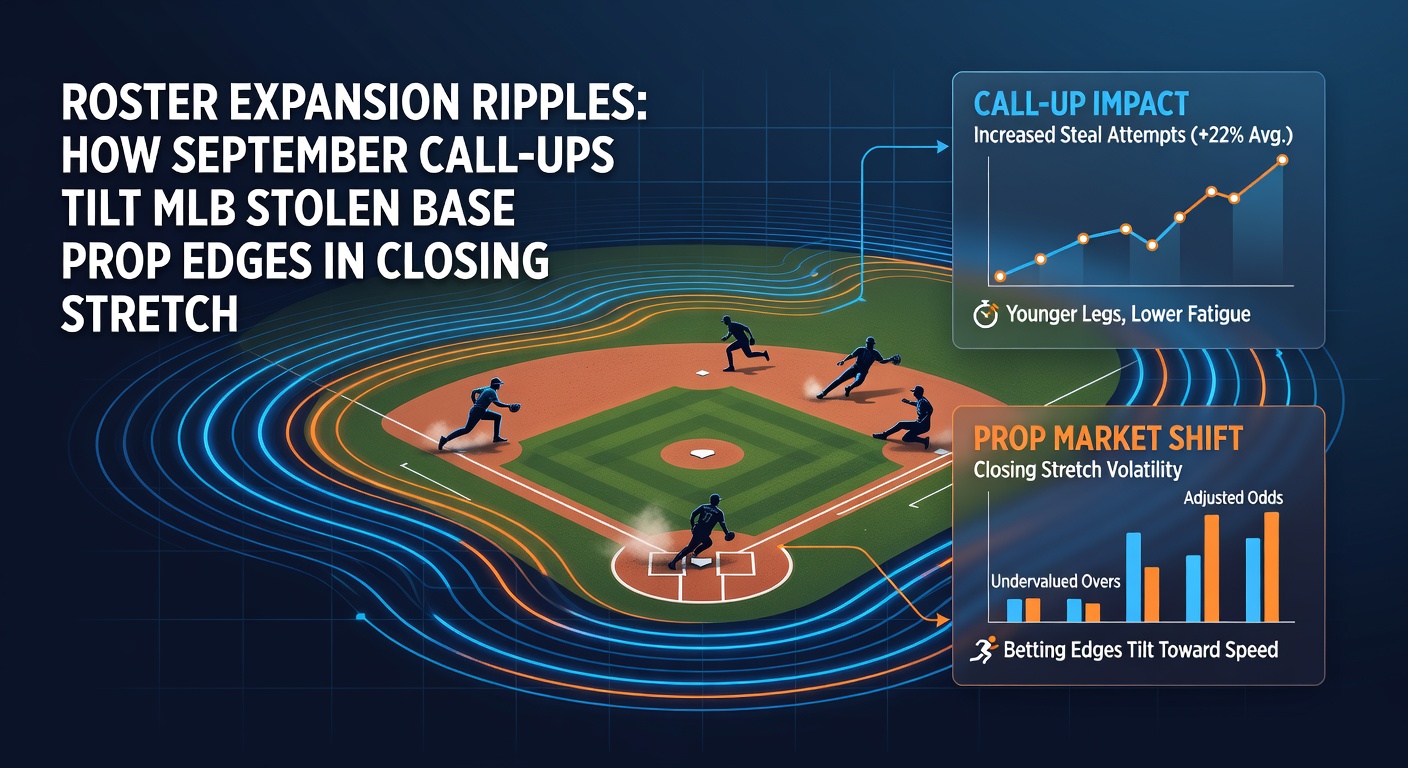
League-wide stolen base totals climb as divisions tighten and managers seek every available edge. The 2025 season provided a clear example when several National League clubs added outfield speed in early September and recorded double-digit steal months from players who had spent most of the year in the minors. Such developments create edges for those who monitor transaction wires and minor league performance metrics before the props finalize each day.
Game Situation Factors Amplify Effects
Late-season series often feature extra-inning games and one-run margins, situations that reward aggressive base running. Expanded benches allow managers to deploy dedicated pinch runners late, and these moves frequently result in additional steals that would not occur with standard rosters. Studies tracking play-by-play data confirm that pinch-runner steals account for nearly 9 percent of all September stolen bases, compared with just 4 percent in earlier months.
Pitching staffs also face fatigue as the schedule winds down, which can lead to more throws to first base and higher success rates on steal attempts. Catchers promoted alongside position players sometimes struggle with the jump in velocity and command, further tilting the advantage toward runners. These combined elements produce consistent patterns that appear across divisional matchups in the final month.
Tracking Data Sources and Patterns
Publicly available resources such as Baseball Savant and FanGraphs supply detailed stolen base metrics broken down by month, and these tools help identify which teams and players benefit most from roster expansion. Historical comparisons show that the 12-team playoff format has extended the relevance of September games, encouraging even non-contenders to experiment with speed-oriented lineups. Such experimentation adds variance to individual prop results during the closing stretch.
International scouting reports also play a role, as organizations increasingly promote players from winter leagues and international circuits who bring advanced base running techniques. Canadian development programs and Australian baseball academies have contributed prospects who post above-average steal rates upon arrival, expanding the pool of athletes who can swing prop outcomes in September series.
Conclusion
September call-ups create predictable ripples through stolen base prop markets by introducing new speed elements into MLB lineups at a time when every game carries heightened importance. The combination of expanded benches, aggressive managerial tactics, and data-driven usage produces measurable edges that repeat across seasons. Those who follow roster transactions, minor league statistics, and daily lineup changes gain access to information that directly informs decisions in this specific betting category during the final stretch of the regular season.