Stadium Architecture Quirks Reshaping Batter Prop Outcomes in MLB Weekend Series
Theo Richter · Jun 10, 2026
Stadium Architecture Quirks Reshaping Batter Prop Outcomes in MLB Weekend Series
Stadium architecture creates distinct environments that alter how batters perform in MLB weekend series, and these physical characteristics directly influence outcomes for player props involving hits, home runs, and total bases. Park dimensions, wall heights, and wind patterns vary widely across the league, which means visiting teams encounter consistent structural variables that shape statistical tendencies during Friday through Sunday matchups.
Outfield Dimensions and Fence Configurations
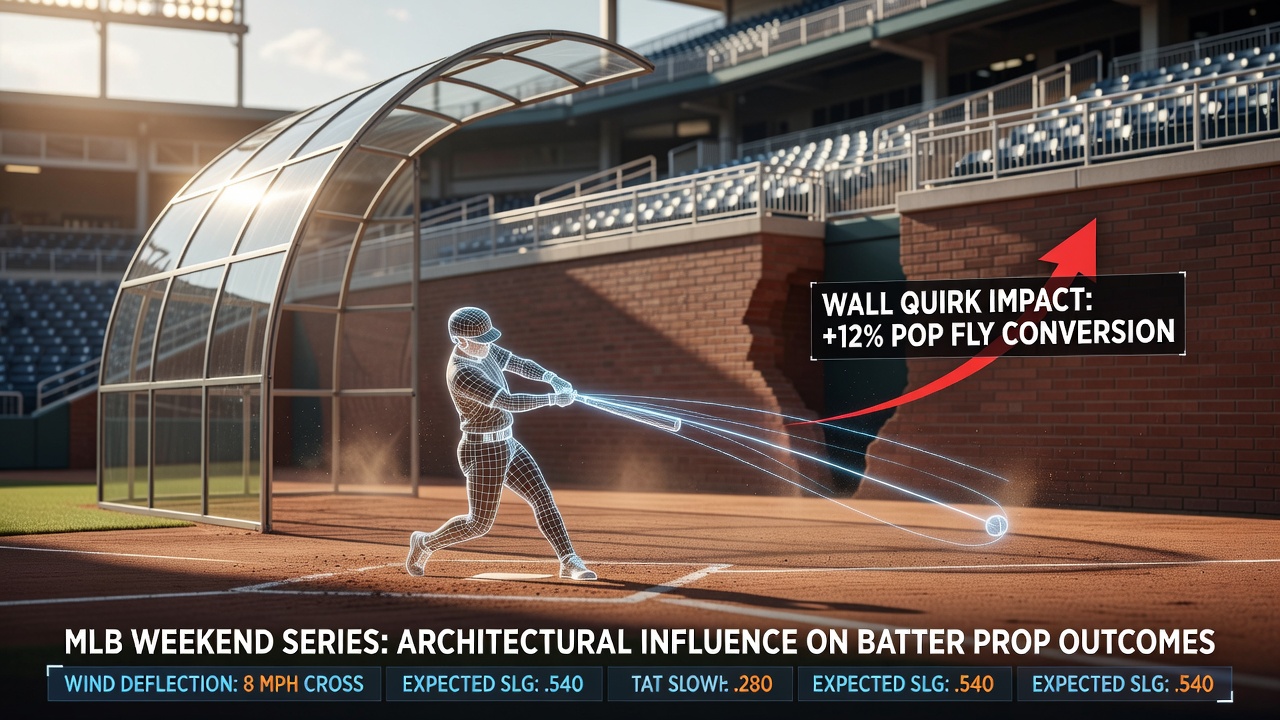
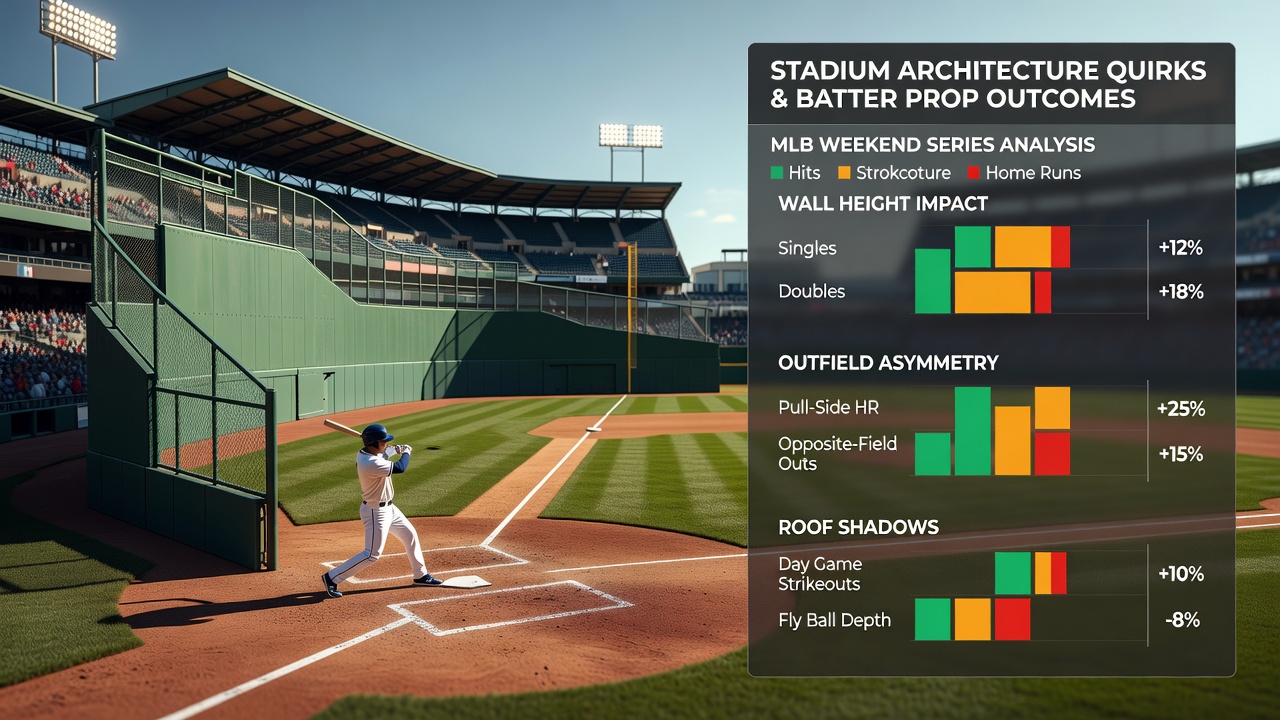
Ballparks with asymmetric designs produce measurable effects on batted ball results, as shorter distances down one line or deeper gaps in center field change the probability of extra-base hits. Researchers at the University of Toronto documented how left-handed pull hitters see elevated home run rates in venues like Yankee Stadium where the right-field porch sits closer to home plate, while data from the Society for American Baseball Research shows right-handed batters gain advantages in parks such as Fenway Park because of the Green Monster's unique height and carom properties. Weekend series often feature multiple day games when sunlight angles interact with these structures, yet the core influence remains the fixed measurements that teams prepare for through scouting reports and video analysis.
High walls in left or right field suppress home run totals but increase the frequency of doubles when balls carom back into play, and this pattern appears repeatedly in National League East venues where visiting lineups adjust their approach at the plate. Observers note that prop markets for total bases reflect these adjustments, particularly when power hitters face fences that stand 15 to 20 feet tall rather than standard eight-foot barriers.
Wind Patterns and Elevation Effects
Atmospheric conditions tied to stadium design further modify outcomes, since open-air venues channel prevailing winds differently depending on their orientation and surrounding structures. In June 2026, several interleague weekend series at Wrigley Field demonstrated how gusts blowing out toward the outfield increased fly-ball carry for visiting right-handed batters, while crosswinds at Oracle Park pushed balls toward the warning track and reduced extra-base production. These factors compound when series span multiple days because weather systems move through regions and interact with the same architectural layout each afternoon or evening.
Coors Field's elevation above sea level remains a well-documented variable that increases offensive output across all batter handedness groups, and figures from recent seasons indicate that visiting teams post higher slugging percentages during weekend contests there compared with their home environments. Because the thin air reduces drag on batted balls, props tied to home runs and extra-base hits show elevated success rates even when opposing pitchers throw similar pitch mixes.
Seating and Structural Obstructions
Upper-deck overhangs and support columns create additional variables in older ballparks where sight lines and ball trajectories intersect with fixed infrastructure. Batters at certain venues experience altered visual backgrounds when sunlight filters through gaps in the stands, which influences timing on breaking pitches and can shift contact rates during afternoon weekend games. These elements remain constant across a series, allowing teams to incorporate them into game planning while prop bettors examine historical splits for individual players.
Retractable-roof stadiums introduce another layer because closed roofs eliminate wind while open roofs allow natural conditions to persist, and data collected across multiple seasons shows measurable differences in line-drive rates depending on roof position during Saturday and Sunday contests. Visiting lineups that travel across time zones encounter these controlled environments after long flights, yet the architectural constants still govern how balls travel once contact occurs.
Implications for Prop Analysis
Betting markets incorporate park factors derived from multi-year samples that isolate architecture-driven outcomes from personnel changes, and these adjustments appear in weekend series where starting pitchers face familiar structural challenges. Teams with high fly-ball rates see amplified effects in hitter-friendly parks, whereas ground-ball heavy lineups experience more consistent results across varying dimensions because their contact stays lower and avoids outfield fences altogether. Analysts track these patterns through granular Statcast metrics that separate launch angle and exit velocity from the park-specific results that follow.
Because weekend schedules often include day games under natural light, the interplay between sun position, shadows, and outfield walls adds another variable that affects outfielders' ability to track fly balls, which in turn influences whether certain hits become extra bases or outs. These interactions remain measurable through play-by-play logs maintained by official scorers and league statisticians.
Conclusion
Stadium architecture establishes permanent parameters that reshape batter prop outcomes across MLB weekend series through fixed dimensions, wind channeling, and elevation differences. Teams and analysts account for these elements when preparing lineups and evaluating player performance, while the resulting statistical tendencies appear consistently in data sets spanning multiple seasons. As schedules progress into June 2026 and beyond, these structural influences continue to provide objective edges for understanding how individual batters fare in specific environments.